
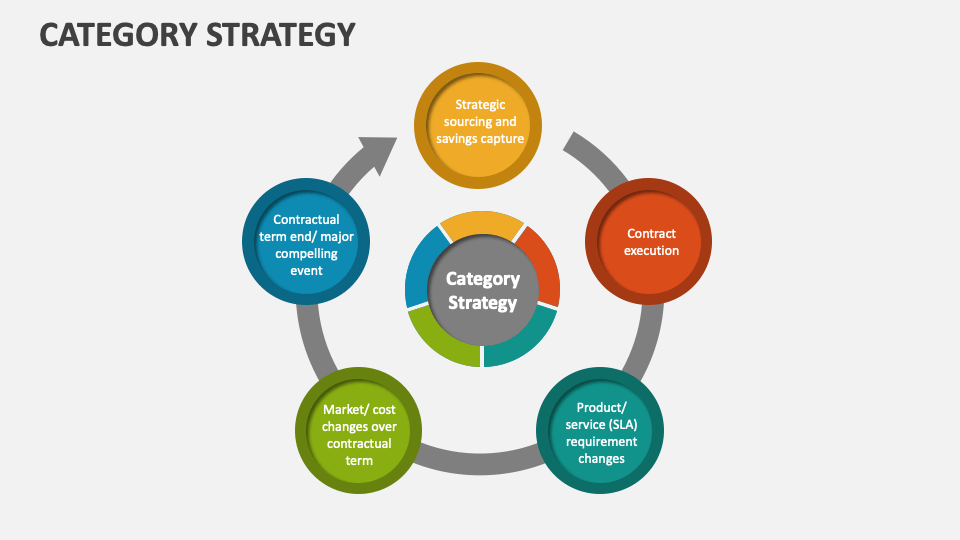
Category management is a structured business process used to manage groups of related products or services according to customer needs, market conditions and organizational goals. The process helps businesses make informed decisions about assortment, pricing, promotions, suppliers, inventory and category performance.
1. Define the Category
The first stage is to establish what products or services belong within the category. Businesses typically group items based on how customers view them, how they are used or the needs they fulfill.
A clear category definition establishes the scope of the analysis and ensures that teams are evaluating the right products and services together.
2. Identify the Category Role
Next, the organization determines the role the category should play in its broader business strategy. A category may be intended to attract customers, generate revenue, improve profitability, build loyalty or support another part of the business.
The category role helps determine which objectives and performance indicators should receive priority.
3. Analyze Category Performance
Businesses then examine current category performance using sales, margins, market share, inventory, pricing and customer data. External information such as competitor activity and market trends can provide additional context.
This analysis helps teams identify performance gaps, customer preferences, growth opportunities and potential risks.
4. Develop Category Strategies
Based on the analysis, the business creates strategies designed to achieve the category’s objectives. A strategy may focus on increasing revenue, improving profitability, expanding customer demand, strengthening availability or creating differentiation.
Category strategies should be connected to the category’s defined role and supported by the information gathered during the assessment.
5. Establish Category Tactics
The strategy is translated into practical actions during the tactics stage. These can include changing the product assortment, adjusting prices, planning promotions, improving placement, managing inventory or negotiating with suppliers.
Effective tactics should have measurable objectives so the organization can evaluate whether they are producing the expected results.
6. Implement the Category Plan
Implementation involves putting the selected strategies and tactics into practice. Depending on the organization, this can require coordination among purchasing, sales, marketing, operations, suppliers and technology teams.
Clear responsibilities, deadlines and performance measures help ensure that the category plan is executed consistently.
7. Review Category Performance
After implementation, the organization measures actual results against its objectives. Teams can examine changes in sales, profitability, customer behavior, inventory levels and other relevant indicators.
Performance reviews help identify which actions are working and where adjustments may be necessary.
8. Refine and Repeat
The final stage recognizes that category management is an ongoing process. Customer preferences, competitors, suppliers, technology and market conditions can change over time.
Businesses use performance results to refine their strategies and tactics and then repeat the cycle. Continuous review allows category decisions to remain aligned with current market and customer conditions.
Why Category Management Matters
The eight stages create a consistent framework for moving from category definition and analysis to strategy, implementation and measurement. This structure can help teams coordinate decisions and connect day-to-day actions with broader business objectives.
Rather than treating product decisions as isolated activities, category management encourages businesses to consider customer needs, market information, financial performance and operational factors together.
Conclusion
The eight stages of category management are defining the category, identifying its role, assessing performance, developing strategies, establishing tactics, implementing the plan, reviewing results and refining the approach. Because the final stage feeds information back into the next planning cycle, category management works as a continuous process of analysis, action and improvement.