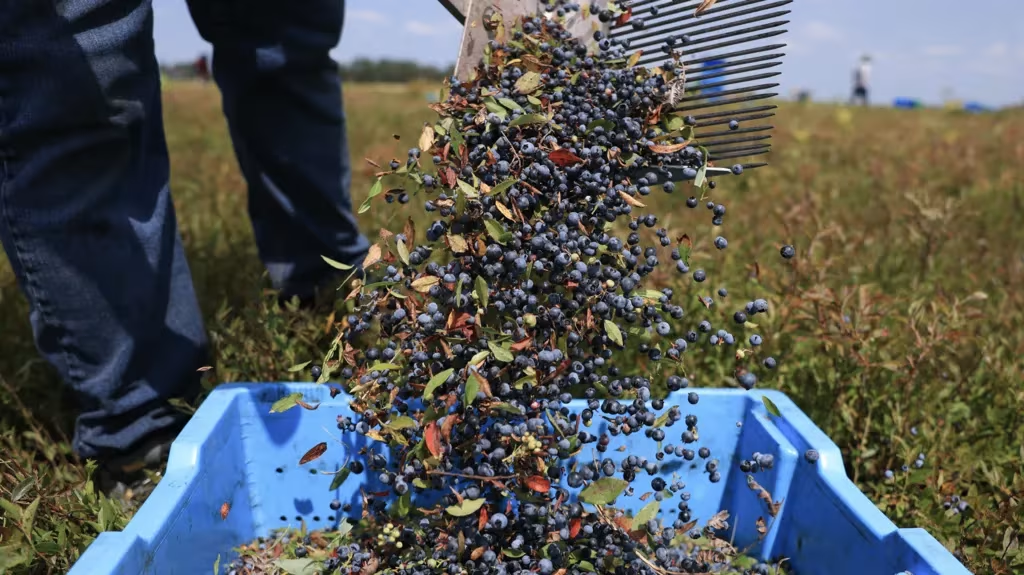
Artificial intelligence is emerging as a practical tool for farmers who need to determine when crops are ready for harvest. By combining crop images, weather information, historical farm data and other agricultural signals, AI systems can help predict when fruit and vegetables are likely to reach the right stage for picking. Harvest timing can have a major impact on crop quality, labour planning and farm revenue. For crops such as apples, strawberries, raspberries, blueberries and tomatoes, farmers often have relatively short windows in which produce needs to be picked and delivered. In Washington State, growers are testing camera-based technology that uses AI to monitor apple trees. Cameras mounted on farm equipment can capture images of buds, flowers and fruit, while software analyses the information to estimate crop development and potential harvest dates. Similar technology is being developed for soft-fruit production. UK agricultural technology company FruitCast uses crop imagery together with weather and other farm information to forecast the timing and volume of crops that may be ready for harvesting. Such forecasts could help growers organise seasonal workers more efficiently. Hiring workers too early can increase costs, while insufficient labour during a narrow harvest window can result in produce being left in the field or harvested after its optimal period. AI can also support crop monitoring at a scale that is difficult to manage manually. Cameras, drones and smartphones can collect large quantities of images that can then be analysed to count fruit, track development and identify changes in crop conditions. However, AI-based harvest forecasting still has limitations. Predictions depend on the quality of the data used to train and operate the system, and conditions can vary significantly between farms and growing seasons. Weather changes, drought, irrigation, disease and other local factors can alter crop development and make predictions less certain. Farmers also have concerns about the privacy and commercial value of agricultural data, including information about irrigation, fertiliser use and crop production. For that reason, adoption of AI in agriculture depends on more than technical performance. Farmers need systems that are accurate, affordable, practical to operate and transparent about how their data is handled. Human judgment also remains important because farmers have local knowledge and experience that may not be fully represented in an AI model. The technology is therefore developing primarily as a decision-support tool rather than a replacement for agricultural expertise. As AI systems become more capable of processing images, weather data and historical farm records, they could help farmers make more informed decisions about when to harvest and how to organise the workforce and resources needed to bring crops to market.