
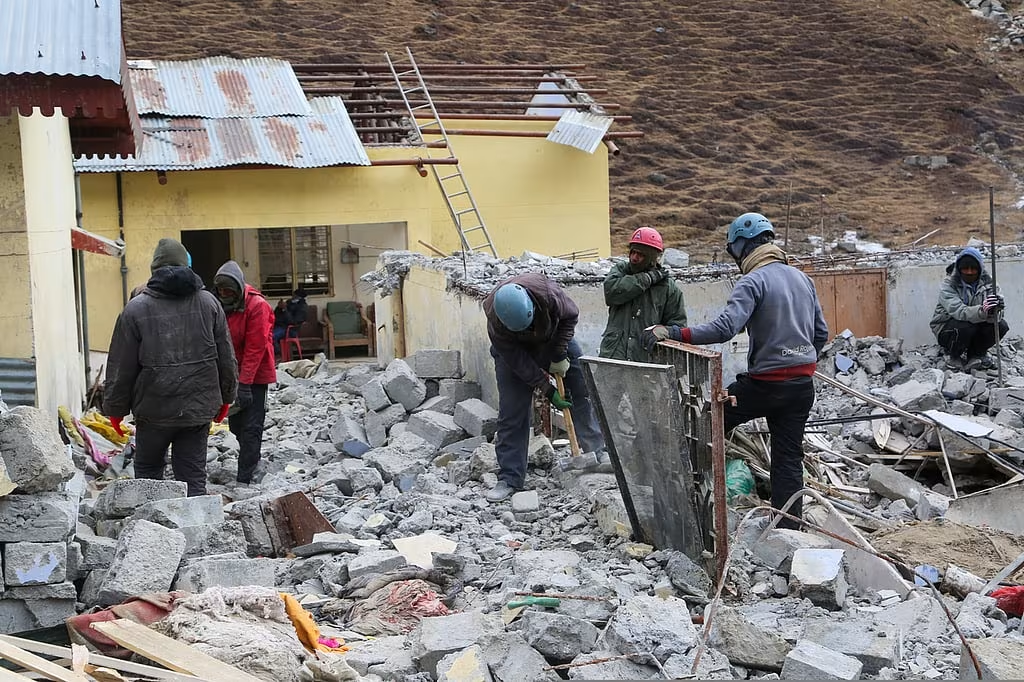
The government has introduced a new category under the VB-GRAMG framework focused specifically on disaster preparedness and extreme weather events. The initiative aims to strengthen rural resilience by supporting local measures that can help communities prepare for, manage and recover from climate-related emergencies.
Dedicated Disaster Preparedness Category
The new category is intended to support works related to disaster preparedness, risk reduction and resilience. It is designed to address the growing impact of events such as floods, droughts, cyclones, heatwaves and other extreme weather conditions.
Focus on Rural Areas
Rural communities can face significant disruption from extreme weather because agriculture, water availability, transport and local livelihoods are closely linked to environmental conditions. Strengthening local preparedness can help reduce the impact of these events.
Local Planning Gains Importance
The framework gives greater attention to planning at the local level. Identifying vulnerable locations and prioritising preventive measures can help communities prepare infrastructure and resources before extreme weather events occur.
Climate Resilience and Development
The dedicated category links rural development with climate adaptation and disaster risk reduction. Investments in preventive infrastructure can help protect livelihoods and improve the ability of communities to recover after an emergency.
Potential Activities
Depending on government guidelines and local requirements, preparedness-related works can include measures associated with water management, protection of community infrastructure, mitigation of local risks and improvement of resilience against extreme weather.
Importance for Communities
Disaster preparedness can reduce dependence on emergency response after an event has already occurred. By planning and investing in resilience in advance, local administrations and communities can potentially reduce disruption and speed up recovery.
Latest Status
The new VB-GRAMG category represents an effort to incorporate disaster preparedness and extreme-weather resilience into rural development planning. Its impact will depend on the detailed implementation guidelines, eligible works and execution by local authorities.